method %!d(float64=01) · 2026-08-06
Blanching
The thirty-second reset that fixes bitterness, texture and colour at the same time
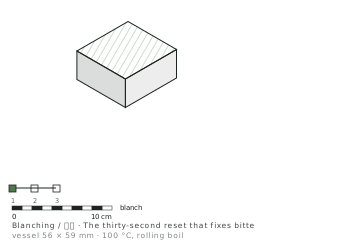
How it works
Plant tissue contains oxidative enzymes, principally polyphenol oxidase and peroxidase, that start browning and softening the moment a cell is cut. Heat denatures them. The blanching window is the range of time in which the enzymes are dead but the cell walls have not yet collapsed and the water-soluble compounds — including the bitter ones and the vitamins — have not yet leached out. Below the window the enzymes survive and the leaf goes brown in the fridge; above it you have made a mush with no flavour and no nutrition.
Blanching is the least glamorous method on this site and the one that decides whether the other five work. It does three separate jobs at once — it knocks back bitterness and oxalic acid, it sets colour, and it firms texture so a leaf survives being handled — and it achieves all three in under two minutes, which is why the timing matters more than any other variable here.
| Parameter | Value | Why it is this number |
|---|---|---|
| Water volume | 1 L per 100 g of prepared leaf | Under-watering drops the temperature on contact and stalls the window; the water must stay at a rolling boil. |
| Salt | 10 g per litre | Raises the boiling point slightly and, more importantly, fixes green colour. |
| Temperature | 100 °C, rolling boil | Below 95 °C the peroxidase survives and the leaf browns within a day. |
| Time — soft leaf | 30–45 s | Nettle, chickweed, sorrel. Sorrel is the exception on time and the reason is separate: see the acid note below. |
| Time — firm leaf or shoot | 60–90 s | Knotweed, burdock, horseradish leaf, birch shoot. Stems need the upper end. |
| Time — root or rhizome | 5–15 min | Cattail flower spike 5 min; burdock root 12 min. Not really blanching any more — it is parboiling, and it is listed here because the logic is the same. |
| Shock | Ice water, 1:1 ice to water, equal to blanch time | Skip this and the leaf keeps cooking in its own heat for another minute and a half. |
| Drain | Squeeze in a clean cloth to 60 % of the blanched weight | Nettle holds a startling amount of water. Unsqueezed nettle makes a grey soup. |
Procedure
Bring 1 L of water with 10 g of salt to a hard rolling boil in a wide pan. Wide matters: a deep narrow pan drops temperature when the leaf goes in and takes 40 seconds to come back.
Prepare the leaf first, all of it, before the water is hot. Wash, strip stems, cut to a size that will fit in the pan loosely. Never blanch in batches with the water already going — the second batch always gets a different treatment than the first.
Add the leaf in one loose handful at a time and keep the water at a boil. The clock starts when the water returns to a full boil, not when the leaf goes in.
Lift out with a spider or tongs into ice water. Do not pour through a colander — the leaf keeps cooking in the colander while you set it down.
Leave in the ice water for exactly as long as the blanch. Then lift, squeeze in a cloth, and either use at once or spread flat and chill.
Equipment
| Vessel | Why this one |
|---|---|
| Wide stainless sauté pan, 28 cm | Fastest temperature recovery; the single most useful piece of equipment for this method. |
| Spider or wire skimmer | Removes everything in one movement without draining the pan. |
| Ic bath in a large bowl | 1 kg of ice to 1 L of water. Anything less and the shock does not stop the cooking. |
| Clean cotton cloth | For squeezing. A sieve will not get the water out of nettle. |
What goes wrong
- The leaf goes brown in the fridge within a day The blanch was too short — peroxidase survived. Add 15 seconds and check the water is genuinely at a rolling boil before starting the clock.
- The leaf is a grey-green mush with no flavour The blanch was too long, or the ice shock was skipped. Cut the time by a third and put the ice bath in place before the pan goes on.
- The finished dish tastes flat and slightly slimy Not enough water. Below about 1 L per 100 g the leaf leaches its own compounds into too little liquid and stews rather than blanches.
- Sorrel turns an unattractive khaki in the pan Sorrel is high in oxalic acid and it is heat-labile in a different way. Cook it 15 seconds only, off the heat, or accept the colour — the flavour is unaffected and it will be green again in a cold sauce.